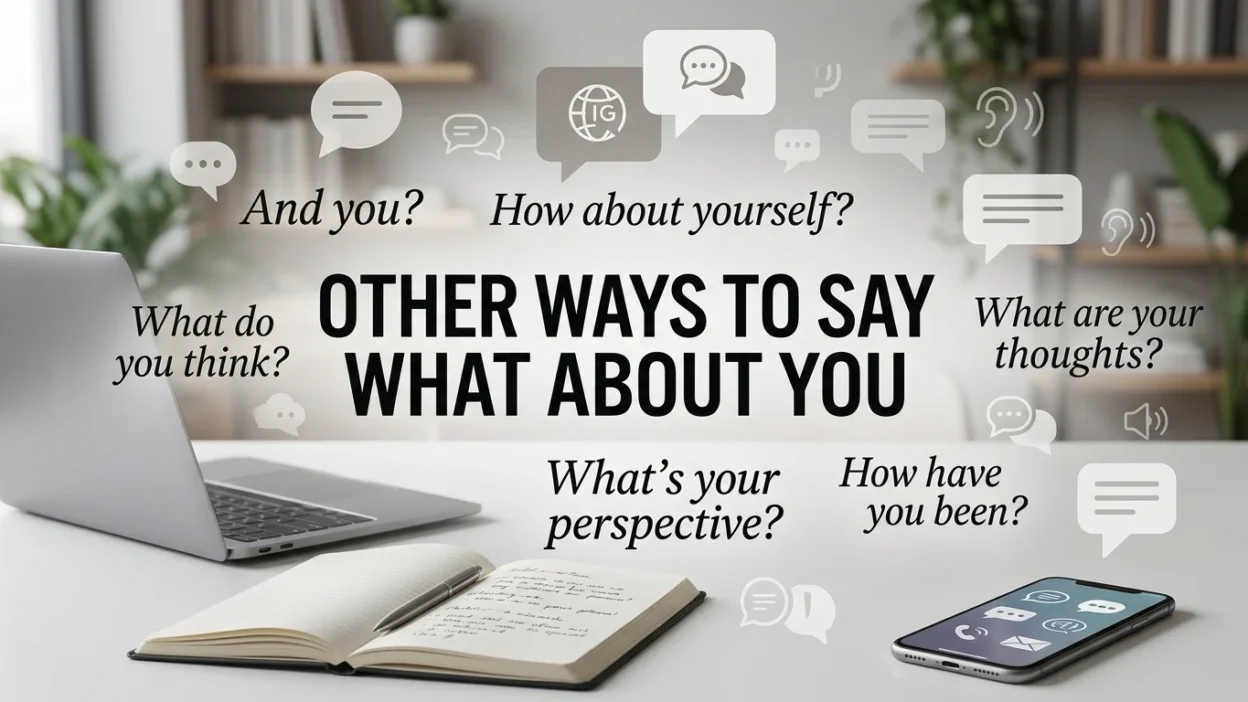
Using other ways to say what about you can transform ordinary conversations into thoughtful, engaging, and meaningful exchanges with interest. The intent is similar: showing genuine interest in another person, their thoughts, feelings, and experiences. This simple yet powerful way can express care and strengthen a personal connection.
There can be a slight difference in tone and nuance depending on how you use these phrases. In casual chats, And you? sounds natural and friendly, while How about yourself? can help you understand another person’s viewpoint more fully. These alternatives let speakers choose words that feel appropriate for each situation, while keeping the conversation open and respectful.
From my experience, choosing the right expression can create deeper communication because it encourages people to talk about themselves instead of ending the exchange after one response. The goal is to make conversations warmer, connect with others, and show empathy while making communication feel more natural.
Quick Answer
Common alternatives to “What about you?” include “And you?”, “How about yourself?”, “What do you think?”, “How do you feel about it?”, and “What’s your experience?” The best choice depends on whether the conversation is casual, professional, personal, or opinion-focused.
Casual Ways to Say “What About You?”
1. And you?
Definition: “And you?” is a short and natural way to return a question to another person.
Usage rule: Use it after answering a similar question about yourself, especially in casual conversations.
Practical example: “I’m doing well today. And you?”
Tips: This is one of the most common alternatives to “What about you?” and works well with friends, classmates, and familiar colleagues.
2. How About You?
Definition: “How about you?” directly invites someone to share their own answer, opinion, or experience.
Usage rule: Use it when you want to ask the same question back without sounding repetitive.
Practical example: “I usually work from home on Fridays. How about you?”
Tips: It is friendly, simple, and suitable for most everyday conversations.
3. How About Yourself?
Definition: “How about yourself?” is a slightly more polished version of “How about you?”
Usage rule: Use it when you want to sound friendly while maintaining a little more distance or politeness.
Practical example: “I enjoy reading in my free time. How about yourself?”
Tips: This phrase is useful when speaking with someone you do not know particularly well.
4. What About Yourself?
Definition: “What about yourself?” asks another person to provide information about their situation or experience.
Usage rule: Use it when discussing personal circumstances, interests, or background.
Practical example: “I studied business at university. What about yourself?”
Tips: It is natural in conversations but may sound slightly more formal than “And you?”
5. And How About You?
Definition: “And how about you?” gently encourages another person to respond to the same topic.
Usage rule: Use it when transitioning naturally from your answer to theirs.
Practical example: “I prefer tea in the morning. And how about you?”
Tips: It sounds warm and conversational, particularly when you want to keep the exchange balanced.
6. What Do You Think?
Definition: “What do you think?” asks specifically for another person’s opinion or judgement.
Usage rule: Use it when the topic involves an idea, decision, suggestion, or viewpoint.
Practical example: “I think we should start earlier. What do you think?”
Tips: Choose this phrase instead of “What about you?” when you specifically want an opinion.
7. How Are Things With You?
Definition: “How are things with you?” asks about someone’s current situation or general wellbeing.
Usage rule: Use it when you want a broader personal update rather than a direct answer to one question.
Practical example: “Things have been busy here lately. How are things with you?”
Tips: It works especially well when reconnecting with someone after some time.
Professional Alternatives to “What About You?”
1. What Are Your Thoughts?
Definition: “What are your thoughts?” politely asks someone to share their opinion.
Usage rule: Use it in meetings, workplace discussions, or professional correspondence.
Practical example: “We have reviewed the proposal. What are your thoughts?”
Tips: This is a useful professional alternative when you want constructive feedback.
2. What Is Your View?
Definition: “What is your view?” asks for a person’s considered opinion about a subject.
Usage rule: Use it when discussing workplace decisions, proposals, or formal topics.
Practical example: “We could change the schedule. What is your view?”
Tips: It has a professional tone and is especially appropriate for structured discussions.
3. What Do You Think About This?
Definition: This phrase directly invites an opinion about a specific idea or matter.
Usage rule: Use it when you want the other person to evaluate something concrete.
Practical example: “I have revised the presentation. What do you think about this?”
Tips: Mentioning the specific subject makes your question clearer.
4. How Do You See It?
Definition: “How do you see it?” asks someone to explain their perspective.
Usage rule: Use it when different interpretations or viewpoints are possible.
Practical example: “There are several ways to approach the project. How do you see it?”
Tips: This phrase encourages a thoughtful response rather than a simple yes-or-no answer.
5. What Is Your Perspective?
Definition: “What is your perspective?” formally asks for someone’s viewpoint.
Usage rule: Use it in professional, academic, or serious discussions.
Practical example: “We have discussed the financial concerns. What is your perspective?”
Tips: It works particularly well when you want to show respect for another person’s expertise.
6. Do You Feel the Same Way?
Definition: “Do you feel the same way?” asks whether someone shares your feelings or opinion.
Usage rule: Use it when you have already expressed your own position.
Practical example: “I think the new system is easier to use. Do you feel the same way?”
Tips: This phrase works best when there is already a clear opinion or feeling to respond to.
7. Would You Like to Share Your Thoughts?
Definition: This phrase politely invites another person to contribute their ideas.
Usage rule: Use it when you want to encourage participation without putting pressure on someone.
Practical example: “We have heard several suggestions. Would you like to share your thoughts?”
Tips: It is useful in meetings, presentations, interviews, and group discussions.
Alternatives for Asking About Opinions
1. What’s Your Take?
Definition: “What’s your take?” is an informal way to ask for someone’s opinion.
Usage rule: Use it mainly in relaxed professional or personal conversations.
Practical example: “I’m not sure about the new policy. What’s your take?”
Tips: Avoid it in highly formal correspondence.
2. What’s Your Opinion?
Definition: “What’s your opinion?” directly asks someone to state their judgement or view.
Usage rule: Use it when the discussion centres on an issue that requires an opinion.
Practical example: “We have two possible solutions. What’s your opinion?”
Tips: It is clear and direct, although slightly more formal than “What do you think?”
3. Where Do You Stand?
Definition: “Where do you stand?” asks someone to explain their position on an issue.
Usage rule: Use it when a topic has clearly defined sides or positions.
Practical example: “We have discussed both proposals. Where do you stand?”
Tips: Use this carefully because it can sound more direct or serious than other alternatives.
4. How Do You Feel About It?
Definition: This phrase asks about someone’s emotional reaction or personal opinion.
Usage rule: Use it when feelings are more important than factual information.
Practical example: “I’m excited about the move. How do you feel about it?”
Tips: It is useful for personal conversations and sensitive topics.
5. What’s Your Perspective?
Definition: “What’s your perspective?” asks someone to explain how they understand a situation.
Usage rule: Use it when you want a detailed or considered viewpoint.
Practical example: “We have looked at the issue from one angle. What’s your perspective?”
Tips: It sounds more thoughtful and professional than simply saying “What about you?”
6. What Are Your Feelings on This?
Definition: This phrase asks someone to describe their emotional or personal response.
Usage rule: Use it when discussing personal reactions or sensitive subjects.
Practical example: “The decision affects everyone differently. What are your feelings on this?”
Tips: Use it when you genuinely want an emotional response.
7. Do You Agree?
Definition: “Do you agree?” asks whether someone shares the same opinion.
Usage rule: Use it when you have already made a statement or expressed a position.
Practical example: “I think this approach will save time. Do you agree?”
Tips: It is direct, so use a softer alternative when you want to encourage an open-ended response.
Alternatives for Asking About Experiences
1. What’s Your Experience?
Definition: “What’s your experience?” asks someone to describe their previous involvement with a subject.
Usage rule: Use it when discussing work, education, travel, hobbies, or other experiences.
Practical example: “I have worked with this software for years. What’s your experience?”
Tips: It is especially useful in professional and networking conversations.
2. Have You Experienced Something Similar?
Definition: This question asks whether another person has had a comparable experience.
Usage rule: Use it after sharing your own story or situation.
Practical example: “I found the first week challenging. Have you experienced something similar?”
Tips: It can create a stronger personal connection by encouraging someone to share a story.
3. What Has Your Experience Been Like?
Definition: This phrase invites someone to describe their experience in detail.
Usage rule: Use it when you want more than a short yes-or-no answer.
Practical example: “I enjoyed working remotely. What has your experience been like?”
Tips: It is excellent for interviews, workplace discussions, and meaningful conversations.
4. How Has It Been for You?
Definition: “How has it been for you?” asks about someone’s experience with a situation.
Usage rule: Use it when discussing an ongoing or recently completed experience.
Practical example: “The new course has been challenging for me. How has it been for you?”
Tips: It sounds natural and empathetic.
5. Have You Been in a Similar Situation?
Definition: This question asks whether someone has encountered a comparable circumstance.
Usage rule: Use it when comparing personal experiences.
Practical example: “I had trouble adjusting to the new schedule. Have you been in a similar situation?”
Tips: It works well when you want to build rapport.
6. What Was It Like for You?
Definition: “What was it like for you?” asks someone to describe a past experience.
Usage rule: Use it after discussing an event, trip, project, or important moment.
Practical example: “My first presentation was nerve-racking. What was it like for you?”
Tips: This phrase naturally encourages storytelling.
7. How Did You Find It?
Definition: “How did you find it?” asks for someone’s reaction or experience.
Usage rule: Use it mainly in British English when discussing an experience or activity.
Practical example: “I found the workshop useful. How did you find it?”
Tips: Remember that this does not necessarily mean “Were you able to locate it?”
Warm and Personal Ways to Say “What About You?”
1. How Are You Feeling About It?
Definition: This phrase asks about someone’s emotional response to a situation.
Usage rule: Use it when the subject may involve personal feelings.
Practical example: “I’m feeling positive about the change. How are you feeling about it?”
Tips: It shows that you are interested in the person’s emotional perspective.
2. What’s Going on With You?
Definition: This phrase asks for a general update about someone’s life or current situation.
Usage rule: Use it with people you know reasonably well.
Practical example: “I’ve been busy with work lately. What’s going on with you?”
Tips: It is casual and should generally be avoided in highly formal situations.
3. How Have You Been?
Definition: “How have you been?” asks about someone’s wellbeing over a period of time.
Usage rule: Use it when reconnecting with someone you have not spoken to recently.
Practical example: “It’s been a while! How have you been?”
Tips: This is warmer than simply asking “What about you?”
4. How Are Things Going for You?
Definition: This phrase asks for an update about someone’s current circumstances.
Usage rule: Use it with friends, colleagues, classmates, or acquaintances.
Practical example: “My new job is going well. How are things going for you?”
Tips: It creates an open invitation to share both positive and difficult experiences.
5. What’s New With You?
Definition: “What’s new with you?” asks someone to share recent developments in their life.
Usage rule: Use it during casual conversations with people you already know.
Practical example: “I’ve started learning Spanish. What’s new with you?”
Tips: It works particularly well when reconnecting after a short break.
6. How Are You Doing?
Definition: “How are you doing?” is a common way to ask about someone’s general wellbeing.
Usage rule: Use it in everyday conversations or when checking in with someone.
Practical example: “I heard you started a new course. How are you doing?”
Tips: Your tone can make this question sound casual, caring, or concerned.
7. Tell Me About Yourself
Definition: “Tell me about yourself” invites someone to share information about their background, interests, or experiences.
Usage rule: Use it when you genuinely want someone to introduce themselves or share more.
Practical example: “I’ve told you about my work. Now tell me about yourself.”
Tips: This is broader than “What about you?” and is especially useful when getting to know someone.
Creative and Context-Specific Alternatives
1. What’s Your Story?
Definition: “What’s your story?” invites someone to share their background or personal journey.
Usage rule: Use it in relaxed conversations when you want to encourage storytelling.
Practical example: “We have talked about how we met. What’s your story?”
Tips: It is friendly but informal, so consider the relationship before using it.
2. What Brings You Here?
Definition: “What brings you here?” asks about someone’s reason for being in a particular place or situation.
Usage rule: Use it at events, meetings, gatherings, or new social settings.
Practical example: “I’m here to meet some people from the industry. What brings you here?”
Tips: It can be a natural conversation starter with someone you have just met.
3. What Are You Into?
Definition: “What are you into?” asks about someone’s interests and hobbies.
Usage rule: Use it in informal conversations when getting to know someone.
Practical example: “I’m really into photography. What are you into?”
Tips: This is distinctly casual and should not normally be used in formal business writing.
4. What Interests You?
Definition: “What interests you?” asks about subjects, activities, or topics that attract someone’s attention.
Usage rule: Use it when discussing hobbies, learning, careers, or personal interests.
Practical example: “I enjoy learning about history. What interests you?”
Tips: It sounds more thoughtful than some casual alternatives.
5. What Would You Choose?
Definition: “What would you choose?” asks someone to select between options.
Usage rule: Use it when discussing alternatives, preferences, or decisions.
Practical example: “I would choose the earlier flight. What would you choose?”
Tips: This is more specific than “What about you?” and works well when choices are involved.
6. What’s Your Preference?
Definition: “What’s your preference?” asks which option someone personally favours.
Usage rule: Use it when discussing practical choices, plans, food, schedules, or arrangements.
Practical example: “I can meet on Tuesday or Wednesday. What’s your preference?”
Tips: This is suitable for both personal and professional conversations.
7. What Would You Like to Share?
Definition: “What would you like to share?” gives another person an open invitation to contribute.
Usage rule: Use it when you want to encourage someone to speak without limiting their response.
Practical example: “I’ve shared my experience. What would you like to share?”
Tips: This phrase is respectful and works particularly well in reflective or group conversations.
Placement & Grammar Rules Table
| Synonym or phrase | Sentence position / placement | Tone / formality | Example sentence |
| And you? | Usually after your answer | Casual | “I’m fine. And you?” |
| How about you? | After discussing yourself | Neutral | “I like coffee. How about you?” |
| How about yourself? | After your own response | Polite / neutral | “I work in finance. How about yourself?” |
| What do you think? | After presenting an idea | Neutral / professional | “This plan could work. What do you think?” |
| What are your thoughts? | After explaining an issue | Professional | “We have reviewed the proposal. What are your thoughts?” |
| What’s your take? | After introducing a topic | Casual | “I’m unsure about it. What’s your take?” |
| What is your perspective? | After describing an issue | Formal | “We have considered the risks. What is your perspective?” |
| How do you feel about it? | After sharing an opinion or event | Personal / neutral | “I’m excited about the change. How do you feel about it?” |
| What’s your experience? | When discussing experience | Professional / neutral | “I have used this system before. What’s your experience?” |
| Tell me about yourself | Usually as a conversation opener | Neutral / personal | “I’ve introduced myself. Tell me about yourself.” |
Common Mistakes When Using “What About You?”
Repeating the Same Phrase Too Often
Using “What about you?” after every response can make conversations sound mechanical. Rotate it with alternatives such as “And you?”, “What do you think?”, or “How about yourself?”
Using Casual Phrases in Formal Emails
Expressions such as “What’s your take?” and “What are you into?” may sound too informal in professional communication. Choose “What are your thoughts?” or “What is your perspective?” instead.
Asking a Question That Is Too Broad
“What about you?” can sometimes be unclear because it does not specify whether you want someone’s opinion, feelings, experience, or preference. A more precise question often produces a better answer.
Ignoring the Conversation Context
The best alternative depends on the topic. Use “What’s your experience?” for experience, “What do you think?” for opinions, and “How are you feeling about it?” for emotions.
Asking Without Showing Genuine Interest
A follow-up question should feel connected to what the other person has said. Listening carefully and referring to their answers makes the exchange more meaningful.
Confusing “How About You?” With “How About Yourself?”
Both phrases are generally natural, but “How about yourself?” can sound slightly more polite or formal. Choose based on your relationship and the situation.
Using “Tell Me About Yourself” Too Casually
“Tell me about yourself” is broad and can sometimes sound like an interview question. In relaxed conversation, “What’s new with you?” or “How have you been?” may feel more natural.
Practical Example Paragraphs
When a colleague says, “I have been enjoying the new project,” you could respond, “That’s great to hear. How about yourself?” If you want a professional response that invites an opinion, you could say, “I think the project has potential. What are your thoughts?” The choice depends on whether you want to ask about their experience or viewpoint.
In a casual conversation with a friend, you might say, “I usually spend my weekends reading or watching films. And you?” If the conversation becomes more personal, “How have you been?” or “What’s new with you?” can encourage the other person to share more about their life.
During a meeting, instead of repeatedly saying “What about you?”, you can ask, “We have discussed the first proposal. What is your perspective?” or “We have several options available. What’s your preference?” These expressions make the purpose of your question clearer and keep professional communication focused.
FAQs
What is another way to say “What about you?”
Common alternatives include “And you?”, “How about you?”, “How about yourself?”, “What do you think?”, and “What are your thoughts?” The appropriate choice depends on the context.
Is “And you?” a good alternative to “What about you?”
Yes. “And you?” is short, natural, and commonly used in casual conversations. It is especially useful when you want to return the same question to someone.
What is a professional way to say “What about you?”
In professional communication, you can use “What are your thoughts?”, “What is your perspective?”, “What do you think about this?”, or “Would you like to share your thoughts?”
How can I ask “What about you?” in a friendly way?
You can say “How about yourself?”, “How have you been?”, “What’s new with you?”, or “How are things going for you?” These options can sound warmer and more conversational.
What can I say instead of “What about you?” in a text?
For casual texting, “And you?”, “How about you?”, “What’s new with you?”, and “What are you up to?” are natural choices.
Is “How about yourself?” Grammatically correct?
Yes. “How about yourself?” is grammatically acceptable and commonly used as a polite way to ask someone the same question you have just answered.
What is a better phrase than “What about you?” for asking an opinion?
“What do you think?”, “What’s your opinion?”, “What are your thoughts?”, and “What’s your take?” are more precise because they clearly request an opinion.
How do I ask about someone’s experience instead?
Try “What’s your experience?”, “How has it been for you?”, “What has your experience been like?”, or “Have you experienced something similar?”
Final Thoughts
Knowing other ways to say what about you helps you communicate with greater variety and precision. Instead of relying on one repeated phrase, you can choose an expression that matches the topic, relationship, and level of formality.
In everyday conversations, simple options such as “And you?” work naturally, while professional settings may call for “What are your thoughts?” or “What is your perspective?” Choosing the right phrase shows that you are listening and genuinely interested in the other person’s response.