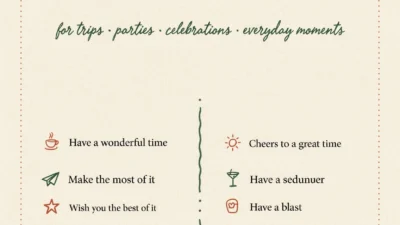
Other ways to say enjoy your vacation help you choose natural phrases for a pleasant break from work, school, or daily responsibilities with ease. Saying “enjoy your vacation” is a simple and friendly choice, but it can become repetitive, overused, or lack personality when used too often. Choosing alternative expressions allows you to match the tone of the conversation, whether it is formal, casual, or professional. For example, Enjoy your time off suits a corporate email, while Have a blast feels more natural when talking to friends. Using varied expressions also helps English learners and professionals communicate more naturally through emails, meetings, essays, social media, and casual conversation.
Selecting the right words can make your message clear, polite, and appropriate for its context, while enhancing language skills and interpersonal communication. When wishing someone well during a vacation, consider your relationship with the person and the level of communication you want to create. A break or time off can be described warmly without repeating the same expression every time. Words such as enjoy, vacation, and blast can create different feelings depending on the tone and situation. Friendly expressions can make a message feel warmer, while professional wording may be better for workplace communication; even a corporate message can sound thoughtful when the phrase fits the person and situation.
Quick Answer
Some natural alternatives to “enjoy your vacation” include “Have a wonderful holiday,” “Make the most of your time off,” “Have an amazing trip,” “Enjoy every moment,” and “Have a fantastic getaway.” Choose a friendly phrase for friends and family, or a polished expression for colleagues and professional contacts.
1. Everyday and Casual Ways to Say Enjoy Your Vacation
These expressions are suitable for everyday conversations, text messages, and informal situations. They sound natural when wishing friends, relatives, or acquaintances a relaxing and enjoyable break.
1. Have a Wonderful Holiday
Definition: This expression wishes someone a pleasant, relaxing, and memorable period away from their usual routine.
Usage rule: Use it when speaking to friends, family members, colleagues, or acquaintances before they leave for a holiday. It is especially natural in British English, where “holiday” is commonly used instead of “vacation.”
Practical example: “I hope you have a wonderful holiday with your family. You certainly deserve a break!”
Tips: Add a personal detail, such as spending time with family or exploring a new destination, to make the message warmer.
2. Have a Great Time Off
Definition: This phrase expresses the hope that someone enjoys their time away from work, school, or other responsibilities.
Usage rule: Use it when someone is taking annual leave, a short break, or time off for personal reasons.
Practical example: “Enjoy your time away from the office, and have a great time off!”
Tips: This phrase is particularly useful when the person is not necessarily travelling anywhere.
3. Enjoy Every Moment
Definition: This expression encourages someone to appreciate their experiences and make the most of their break.
Usage rule: Use it when someone has an exciting trip, a special holiday, or an opportunity to spend quality time with loved ones.
Practical example: “You have been planning this trip for months, so enjoy every moment!”
Tips: It sounds especially thoughtful when someone is visiting a new place or celebrating a special occasion.
4. Have a Blast!
Definition: This informal expression means to have an extremely enjoyable and exciting time.
Usage rule: Use it with friends, siblings, close colleagues, or people who appreciate an energetic and playful tone.
Practical example: “Have a blast in Barcelona! I cannot wait to hear all about your adventures.”
Tips: Avoid using this phrase in formal business correspondence unless you have a relaxed relationship with the recipient.
5. Hope You Have an Amazing Time
Definition: This friendly expression communicates enthusiasm and genuine hope that someone enjoys their holiday.
Usage rule: Use it in casual conversations, text messages, social media comments, or friendly emails.
Practical example: “Hope you have an amazing time exploring the islands. Take plenty of pictures!”
Tips: It works well when you know where the person is going or what they are planning to do.
6. Have a Fantastic Break
Definition: This phrase wishes someone a highly enjoyable period away from their usual commitments.
Usage rule: Use it for school holidays, workplace leave, weekend getaways, or longer vacations.
Practical example: “You have worked so hard this year. Have a fantastic break and come back refreshed!”
Tips: It is a versatile expression that works in both friendly and moderately professional situations.
7. Have the Best Time!
Definition: This upbeat phrase expresses the hope that someone has an especially memorable and enjoyable experience.
Usage rule: Use it before an exciting holiday, a long-awaited trip, or a getaway with friends.
Practical example: “Have the best time in Italy! I hope you discover some beautiful places.”
Tips: The exclamation mark adds enthusiasm, making this phrase ideal for text messages and informal notes.
2. Warm and Thoughtful Ways to Wish Someone a Great Vacation
Sometimes, you want your message to communicate more than simple politeness. These alternatives express care, appreciation, and a genuine wish for the other person to relax and enjoy themselves.
8. I Hope You Have a Truly Relaxing Holiday
Definition: This expression wishes someone peace, rest, and relief from everyday pressures.
Usage rule: Use it when someone has been busy, stressed, or working hard and deserves time to recharge.
Practical example: “You have had a demanding few months, so I hope you have a truly relaxing holiday.”
Tips: Mentioning the person’s hard work can make the message feel more sincere, provided the detail is appropriate.
9. Make Beautiful Memories
Definition: This phrase encourages someone to create meaningful experiences they will remember long after their holiday ends.
Usage rule: Use it before family holidays, romantic getaways, milestone celebrations, or trips with close friends.
Practical example: “Have a lovely trip with your children and make beautiful memories together.”
Tips: This phrase focuses on meaningful experiences rather than simply having fun.
10. Enjoy Some Well-Deserved Rest
Definition: This expression recognises that someone has earned a break and deserves time to relax.
Usage rule: Use it when a person has completed a demanding project, managed a busy schedule, or worked consistently for a long period.
Practical example: “Congratulations on finishing the project. Enjoy some well-deserved rest during your holiday.”
Tips: It is especially effective when you want to acknowledge someone’s effort without making the message overly emotional.
11. Take Time to Recharge
Definition: This phrase encourages someone to restore their energy and return to everyday life feeling refreshed.
Usage rule: Use it for colleagues, friends, or family members who need a break from a busy routine.
Practical example: “Switch off your work notifications and take time to recharge while you are away.”
Tips: This expression is particularly appropriate when the main purpose of the break is rest rather than sightseeing.
12. Enjoy the Little Things
Definition: This expression encourages someone to appreciate simple pleasures during their time away.
Usage rule: Use it when wishing someone a peaceful holiday, a countryside retreat, or a relaxing staycation.
Practical example: “Enjoy the little things, from your morning coffee by the sea to your evening walks.”
Tips: Use it when you want to convey a calm, thoughtful, and positive message.
13. Soak Up Every Moment
Definition: This phrase encourages someone to fully appreciate the experiences and atmosphere of their holiday.
Usage rule: Use it before a special trip, an adventure, or a visit to a destination the person has always wanted to explore.
Practical example: “You have finally made it to Japan. Soak up every moment and enjoy discovering the culture.”
Tips: This expression is more vivid than a standard holiday greeting and works well for memorable experiences.
14. Wishing You Plenty of Happiness and Relaxation
Definition: This warm expression conveys a sincere wish for both enjoyment and peace during someone’s break.
Usage rule: Use it in thoughtful messages to friends, relatives, colleagues, or people celebrating a special holiday.
Practical example: “Wishing you plenty of happiness and relaxation during your time away with your family.”
Tips: This phrase suits greeting cards and personal messages better than very short, casual texts.
3. Professional Ways to Say Enjoy Your Vacation
Professional holiday wishes should sound courteous, natural, and respectful. These expressions work well in workplace emails, conversations with colleagues, and messages to clients or business partners.
15. Enjoy Your Time Off
Definition: This straightforward expression wishes someone a pleasant break from their regular responsibilities.
Usage rule: Use it when a colleague, manager, or employee is taking annual leave or scheduled time away from work.
Practical example: “Thank you for your support on the project. Enjoy your time off, and I look forward to catching up when you return.”
Tips: It is one of the most versatile professional alternatives because it is friendly without sounding overly informal.
16. I Hope You Have a Restful Holiday
Definition: This phrase expresses the hope that someone has a peaceful and refreshing break.
Usage rule: Use it in professional emails when a colleague or business contact is taking leave.
Practical example: “Thank you for confirming the handover arrangements. I hope you have a restful holiday.”
Tips: Choose this expression when you want to sound considerate and professional rather than overly enthusiastic.
17. Wishing You a Pleasant Vacation
Definition: This polite expression communicates a respectful wish for an enjoyable holiday.
Usage rule: Use it in formal emails, business correspondence, or messages to people you do not know particularly well.
Practical example: “Thank you for your continued cooperation. Wishing you a pleasant vacation.”
Tips: This wording is suitable when maintaining a professional tone is more important than expressing personal excitement.
18. Enjoy Your Well-Deserved Leave
Definition: This phrase acknowledges someone’s time away from work while recognising their contribution or effort.
Usage rule: Use it when a colleague or team member is beginning approved annual leave after a busy period.
Practical example: “The team appreciates all your hard work this quarter. Enjoy your well-deserved leave.”
Tips: Use “leave” when referring specifically to workplace absence, especially in formal organisational communication.
19. I Hope You Return Feeling Refreshed
Definition: This expression wishes someone a restorative break and a positive return to their normal routine.
Usage rule: Use it in workplace messages when you want to acknowledge someone’s leave without suggesting that they should work during it.
Practical example: “Enjoy your holiday, and I hope you return feeling refreshed and ready for the next chapter.”
Tips: Keep the focus on the person’s wellbeing rather than immediately discussing unfinished tasks or deadlines.
20. Have a Safe and Enjoyable Trip
Definition: This phrase combines a wish for an enjoyable journey with a wish for the person’s safety.
Usage rule: Use it when a colleague, client, or business partner is travelling for leisure or travelling to begin a holiday.
Practical example: “Thank you for letting us know about your leave. Have a safe and enjoyable trip.”
Tips: It is particularly useful when the recipient will be travelling by air, train, car, or another form of transport.
21. Wishing You a Wonderful Break
Definition: This expression wishes someone an enjoyable and refreshing period away from work.
Usage rule: Use it in professional emails, team messages, or workplace conversations before a holiday or scheduled break.
Practical example: “Everything is arranged for your absence. Wishing you a wonderful break!”
Tips: It is warm enough for friendly workplace relationships while remaining suitable for most professional settings.
4. Travel-Focused Ways to Say Enjoy Your Vacation
When someone is travelling to a new destination, you can make your message more specific by referring to the journey, the adventure, or the experiences waiting for them.
22. Have an Amazing Trip
Definition: This expression wishes someone an exciting and enjoyable travel experience.
Usage rule: Use it before a holiday involving sightseeing, visiting family, exploring a city, or travelling abroad.
Practical example: “Have an amazing trip to Greece! I hope you enjoy the beaches and local food.”
Tips: Mentioning the destination makes this simple phrase feel more personal.
23. Enjoy Your Adventures
Definition: This phrase expresses enthusiasm for the new experiences someone may have during their travels.
Usage rule: Use it when someone is planning outdoor activities, exploring unfamiliar places, or going on an adventurous holiday.
Practical example: “Enjoy your adventures in New Zealand, and make the most of every opportunity to explore.”
Tips: It is particularly suitable for travellers who enjoy hiking, road trips, and discovering new destinations.
24. Have a Memorable Getaway
Definition: This expression wishes someone a holiday filled with enjoyable and lasting memories.
Usage rule: Use it for weekend breaks, romantic escapes, short city visits, or special occasions away from home.
Practical example: “I hope you and your partner have a memorable getaway in the mountains.”
Tips: The word “getaway” usually suggests a short escape from everyday life, although it can also describe a longer leisure trip.
25. Enjoy Exploring Somewhere New
Definition: This phrase encourages someone to appreciate the experience of discovering an unfamiliar place.
Usage rule: Use it when someone is visiting a new city, country, region, or attraction.
Practical example: “Enjoy exploring somewhere new, and do not forget to try some of the local dishes.”
Tips: It works especially well when the traveller enjoys cultural experiences, sightseeing, and discovering local traditions.
26. May Your Journey Be Full of Wonderful Experiences
Definition: This expression offers a thoughtful wish for meaningful and enjoyable experiences throughout a person’s travels.
Usage rule: Use it for longer journeys, special trips, or messages to people embarking on an important adventure.
Practical example: “As you begin your journey through Europe, may your journey be full of wonderful experiences.”
Tips: This is more expressive than a casual holiday greeting, so it works best in personal notes or thoughtful messages.
27. Enjoy the Scenery and Make Every Moment Count
Definition: This phrase encourages someone to appreciate their surroundings and make good use of their holiday time.
Usage rule: Use it when someone is visiting scenic destinations, taking a road trip, or exploring the countryside.
Practical example: “Have a lovely road trip through Scotland. Enjoy the scenery and make every moment count.”
Tips: This expression is particularly effective for nature-focused holidays and journeys involving beautiful landscapes.
28. Here’s to an Unforgettable Holiday
Definition: This upbeat expression celebrates the beginning of a holiday and expresses hope that it will be memorable.
Usage rule: Use it in messages to friends, family, or colleagues who are starting an exciting trip.
Practical example: “Your bags are packed, and the adventure is about to begin. Here’s to an unforgettable holiday!”
Tips: It has a celebratory tone, making it suitable for a message sent just before departure.
5. Short, Creative and Message-Friendly Alternatives
Sometimes, a brief expression is all you need. These alternatives are useful for text messages, social media comments, holiday cards, and quick conversations.
29. Enjoy to the Fullest!
Definition: This expression encourages someone to enjoy their holiday as much as possible.
Usage rule: Use it in casual messages when someone is about to start a holiday or a special break.
Practical example: “Your long-awaited holiday is finally here. Enjoy to the fullest!”
Tips: For slightly more natural everyday English, you can also say, “Enjoy it to the fullest!”
30. Make the Most of Your Holiday
Definition: This phrase encourages someone to take advantage of the time and opportunities available during their break.
Usage rule: Use it when someone has planned activities, has a long holiday, or wants to experience a destination fully.
Practical example: “You have two weeks in Portugal, so make the most of your holiday and explore beyond the city.”
Tips: This phrase is versatile, but use it thoughtfully with someone who may prefer a completely restful break.
31. Have Loads of Fun!
Definition: This informal expression wishes someone plenty of enjoyment and exciting experiences.
Usage rule: Use it with friends, family members, and people with whom you have a relaxed relationship.
Practical example: “Have loads of fun at the beach, and send me a few photos!”
Tips: “Loads of fun” is particularly natural in informal British English. In more formal contexts, choose “Have a wonderful time.”
32. Happy Holidays!
Definition: This short greeting expresses good wishes during a holiday period.
Usage rule: Use it during seasonal holidays or when the specific occasion makes the meaning clear. It can also refer to a person’s holiday break in some contexts.
Practical example: “Happy holidays! I hope you enjoy your time with family and friends.”
Tips: If you mean a specific upcoming trip rather than a festive season, “Have a great holiday” may be clearer.
33. Enjoy Your Little Escape
Definition: This expression describes a short and enjoyable break from ordinary responsibilities.
Usage rule: Use it for weekend trips, short city breaks, or a brief retreat from a busy schedule.
Practical example: “Enjoy your little escape to the coast. A change of scenery will do you good.”
Tips: The word “little” gives the phrase a warm, affectionate feel, making it suitable for friends and family.
34. Here’s to New Experiences!
Definition: This expression celebrates the opportunities for discovery and personal enjoyment that a holiday can bring.
Usage rule: Use it when someone is visiting a new place, trying new activities, or beginning an exciting adventure.
Practical example: “You are off to explore a new country. Here’s to new experiences and wonderful memories!”
Tips: This phrase is ideal for travel-related social media captions and encouraging messages.
35. Come Back with Great Stories
Definition: This friendly expression encourages someone to enjoy their trip and collect memorable experiences to share later.
Usage rule: Use it with friends, relatives, or colleagues who enjoy talking about their travels after returning.
Practical example: “Have a fantastic holiday in Thailand, and come back with great stories to tell us.”
Tips: This phrase combines a holiday wish with an invitation to share experiences, making it feel personal and engaging.
Placement & Grammar Rules Table
The best alternative depends on where the phrase appears in your sentence, how well you know the recipient, and the tone of your message.
| Synonym or phrase | Sentence position / placement | Tone / formality | Example sentence |
| Enjoy your time off | Beginning or end of a message | Friendly, professional | Enjoy your time off and have a relaxing break. |
| Have a wonderful holiday | Beginning or end | Warm, neutral | Have a wonderful holiday with your family. |
| Have a blast | Usually at the beginning or end | Very casual | Have a blast on your trip! |
| Enjoy every moment | Beginning or end | Warm, encouraging | Enjoy every moment of your adventure. |
| Wishing you a pleasant vacation | Usually at the end of an email | Formal, polite | Wishing you a pleasant vacation and safe travels. |
| I hope you return feeling refreshed | Usually at the end | Professional, thoughtful | I hope you return feeling refreshed after your leave. |
| Have a safe and enjoyable trip | Beginning or end | Polite, versatile | Have a safe and enjoyable trip abroad. |
| Make the most of your holiday | Beginning or middle | Encouraging, neutral | Make the most of your holiday and explore the area. |
| Enjoy some well-deserved rest | Beginning or end | Warm, appreciative | Enjoy some well-deserved rest after a busy month. |
| Come back with great stories | Usually at the end | Friendly, casual | Have a great trip and come back with great stories. |
Grammar Tips for Holiday Wishes
- Use the imperative for direct wishes:
“Enjoy your holiday” and “Have a wonderful trip” are grammatically correct because they use the imperative form. - Use “I hope” for a complete statement:
“I hope you have a fantastic holiday” sounds natural in both personal and professional messages. - Use “wishing you” in greetings and email closings:
“Wishing you a relaxing break” is a common greeting-style expression. - Choose the right noun:
“Trip” usually emphasises travel, “holiday” or “vacation” refers to time away, and “break” can mean time off without travel. - Avoid unnecessary wording:
“I hope that you will be able to enjoy having a good holiday” is longer than necessary. “I hope you have a lovely holiday” is clearer.
Common Mistakes When Wishing Someone an Enjoyable Vacation
Even a friendly holiday greeting can sound awkward if the wording does not fit the situation. Avoid these common mistakes to make your messages more natural and appropriate.
1. Repeating the Same Phrase Every Time
Using “enjoy your vacation” in every email, message, or conversation can make your greetings feel predictable.
How to avoid it: Rotate between natural alternatives such as “Have a wonderful holiday,” “Enjoy your time off,” and “Have an amazing trip.”
2. Using Overly Casual Language in Formal Emails
Expressions such as “Have a blast!” or “Have loads of fun!” may sound too informal when addressing a senior manager, a new client, or a formal business contact.
How to avoid it: Choose “Wishing you a pleasant holiday” or “I hope you have a restful break” when a more professional tone is appropriate.
3. Confusing a Holiday with a Journey
“Have a safe journey” focuses on travelling safely, while “Enjoy your holiday” focuses on the overall break. The expressions are related, but they do not mean exactly the same thing.
How to avoid it: If the person is travelling, combine them: “Have a safe journey and a wonderful holiday.”
4. Making a Restful Holiday Sound Like an Assignment
“Make the most of your holiday” is encouraging, but it may sound as though the person must stay busy or do as much as possible.
How to avoid it: For someone who needs rest, say, “I hope you have a peaceful and relaxing break.”
5. Forgetting the Relationship with the Recipient
A very emotional greeting may feel unusual for a distant business contact, while a formal phrase may sound cold when sent to a close friend.
How to avoid it: Consider your relationship before selecting the expression. Keep professional messages courteous and personal messages warm.
6. Adding Unnecessary Details
A holiday greeting does not need to include a long explanation or a list of activities the person should do.
How to avoid it: Keep your message concise. For example, “Have a fantastic trip, and enjoy every moment!” is clear and friendly.
7. Expecting an Immediate Reply During Leave
Wishing someone a relaxing holiday while asking them to monitor emails or complete tasks can send a mixed message.
How to avoid it: Separate the holiday greeting from any essential work arrangements. Respect the person’s time away and clarify work handovers before the leave begins.
Practical Example Paragraphs
Here are realistic examples showing how to use alternative vacation wishes in everyday and professional communication.
1: Message to a Friend
Your holiday has finally arrived, and I am so happy you get to take this trip! Have an amazing time, enjoy every moment, and make beautiful memories. I hope you discover some wonderful places, try delicious food, and come back with great stories to share.
2: Email to a Colleague
Hi Sarah,
Thank you for completing the handover before your leave. Everything is organised on our side, so you can enjoy your time off without worrying about the project. I hope you have a restful holiday and return feeling refreshed.
Best wishes,
Alex
3: Message to a Manager
I hope you have a wonderful holiday and enjoy some well-deserved rest. Thank you for your guidance and support over the past few weeks. Have a safe and enjoyable trip, and I look forward to catching up when you return.
4: Social Media Comment
Have a blast on your travels! Enjoy exploring somewhere new, soak up every moment, and make the most of your holiday. Here’s to new experiences and unforgettable memories!
5: Greeting for a Family Member
Wishing you a truly relaxing holiday filled with happiness, laughter, and quality time together. Enjoy the little things, take time to recharge, and make beautiful memories with everyone. Have the best time!
FAQs
1. What Is Another Way to Say “Enjoy Your Vacation”?
You can say “Have a wonderful holiday,” “Enjoy your time off,” “Have an amazing trip,” or “Enjoy every moment.” The best choice depends on the situation and your relationship with the person.
2. How Do You Professionally Say “Enjoy Your Vacation”?
Professional alternatives include “Enjoy your time off,” “Wishing you a pleasant holiday,” “I hope you have a restful break,” and “Enjoy your well-deserved leave.” These expressions are polite and suitable for workplace emails.
3. What Can I Say to a Friend Going on Holiday?
You could say “Have a blast!”, “Have the best time!”, “Enjoy every moment,” or “Come back with great stories.” These phrases sound enthusiastic and natural in casual conversations.
4. How Do You Wish Someone a Relaxing Vacation?
Try “I hope you have a truly relaxing holiday,” “Enjoy some well-deserved rest,” or “Take time to recharge.” These expressions are particularly thoughtful when someone has been busy or under pressure.
5. Is “Have a Great Vacation” Better Than “Enjoy Your Vacation”?
Both expressions are correct and natural. “Have a great vacation” is a general wish for an enjoyable break, while “enjoy your vacation” directly encourages the person to appreciate their time away.
6. Can I Say “Enjoy Your Vacation” in a Professional Email?
Yes. “Enjoy your vacation” is friendly and acceptable in many workplace emails. If you want a slightly more formal tone, you can write “Wishing you a pleasant holiday” or “I hope you have a restful break.”
7. What Is a Short Way to Wish Someone a Good Holiday?
Short alternatives include “Have a great trip,” “Happy holidays,” “Enjoy your break,” and “Have a wonderful time.” Choose one that fits the occasion and sounds natural for your relationship.
8. How Do You Wish Someone a Safe and Enjoyable Trip?
You can simply say, “Have a safe and enjoyable trip,” or “Safe travels, and enjoy every moment!” Both expressions combine concern for the person’s safety with a warm holiday wish.
9. What Is the Difference Between a Vacation, a Holiday, and a Trip?
“Vacation” commonly refers to time away from work or routine, particularly in American English. “Holiday” is commonly used for this meaning in British English, although it can also refer to a public or religious celebration. “Trip” usually refers to the journey or visit itself.
10. How Can I Make My Vacation Wishes Sound More Personal?
Mention something specific about the person’s plans, such as their destination, family, or favourite activity. For example, “Enjoy your holiday in Greece, and I hope you have plenty of time to relax by the sea” sounds more personal than a generic greeting.
Final Thoughts
Choosing other ways to say enjoy your vacation helps you communicate with warmth, variety, and confidence. Whether you are writing to a friend, colleague, manager, or client, select a phrase that suits the relationship and the occasion.
Keep your wishes natural, sincere, and appropriate to the situation. A thoughtful sentence can make someone feel appreciated as they begin their well-deserved break.